Many companies in Thailand are hiring and investing in analytics stacks due to the fear of losing out to competitors in data analytics. I have personally been involved with several of these companies. In this article, I give a case study on optimizing data analytics for strategic value instead of based on FOMO. The article is written for the Management of Analytics and Data Technologies at NIDA, Thailand. Driven by the fear of missing out, the company made substantial investments in the data analytics stack and hired many data professionals ahead of competitors. Not only was this investment made without a suitable strategy, but it also skews up the salary significantly. Several of my students were paid much higher than the market price just so that the company could lock up all of the talents in the market. Let’s get started.
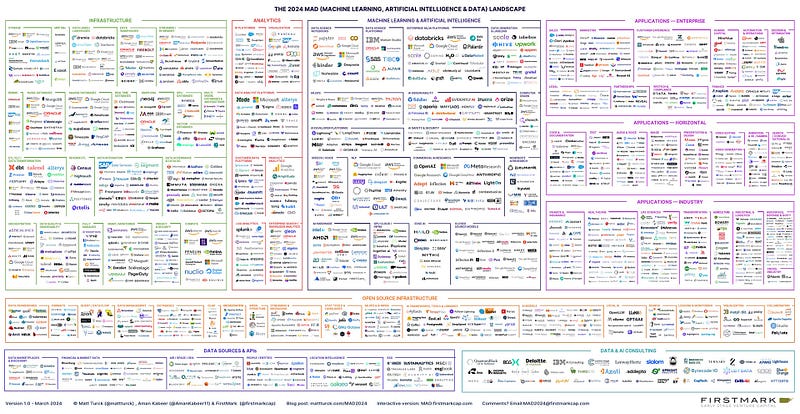
FOMO Retail is a mid-sized retail commerce company specializing in clothing and accessories. The company has a strong online presence and several physical stores.
Initial Investment in Data Analytics:
FOMO Retail allocated $3 million towards building its data analytics capabilities. This included hiring a team of 15 data scientists, engineers, and analysts, purchasing advanced analytics tools, and developing a comprehensive data infrastructure. The primary goal was to leverage data to enhance customer experience, optimize inventory management, and boost sales. Unfortunately, the investment was made more out of a fear of being left behind rather than from a clear strategic vision.
Challenges Encountered:
Despite the considerable investment, FOMO Retail faced multiple challenges:
1. Lack of Clear Strategy: The company needed to set clear goals or a strategic roadmap for the data analytics team, causing a disconnect between analytics efforts and business objectives.
2. Data Silos: Data was fragmented across different departments (sales, marketing, inventory, etc.), making it challenging for the analytics team to access and analyze data effectively.
3. Underutilization of Tools: The sophisticated tools and technologies purchased needed to be more utilized due to a lack of expertise and well-defined use cases.
4. Skill Gaps: The analytics team had strong technical skills but needed help to translate data insights into actionable business strategies.
5. Resistance to Change: Various departments needed to be more resistant to adopting data-driven decision-making processes, preferring traditional methods.
I used the following steps to help some of these companies get on the right data analytics track by using the following steps. For me, the first step was one of the most difficult tasks to help companies clarify. In most cases, I had to go back to the drawing board, getting business units to understand the differences between strategy and strategic planning.
Steps Taken to Address Challenges:
1. Developing a Clear Strategy:
- FOMO Retail initiated a strategic planning process to define clear objectives for its data analytics efforts. The company focuses on enhancing customer experience, optimizing inventory management, and increasing sales.
- The company appointed a Chief Data Officer (CDO) to lead strategy development and ensure alignment between data analytics initiatives and business goals.
2. Breaking Down Data Silos:
- Implemented a centralized data warehouse to integrate data from various departments into a unified platform.
- Established data governance policies to ensure data quality, consistency, and accessibility.
3. Maximizing Tool Utilization:
- Conducted comprehensive training programs for the analytics team and other departments to enhance proficiency with the advanced tools.
- Partnered with tool vendors to provide customized training sessions and ongoing support.
4. Addressing Skill Gaps:
- Organized cross-functional workshops to improve the business understanding of the data analytics team.
- Encouraged collaboration between data scientists and business units to co-create analytics solutions that directly address business needs.
5. Fostering a Data-Driven Culture:
- Promoted data-driven decision-making by highlighting successful use cases and demonstrating the value derived from data insights.
- Implemented incentives for departments to adopt and integrate data analytics into their operations.
Conclusion:
FOMO Retail’s experience highlights the pitfalls of investing in data analytics driven by the fear of missing out without a clear strategy. The initial challenges underscored the importance of strategic alignment, data integration, tool utilization, skill enhancement, and fostering a data-driven culture. By addressing these areas, FOMO Retail was able to optimize its data analytics investments and realize significant business value. This case study serves as a reminder that successful data analytics initiatives require a well-defined strategy and organizational readiness to harness the potential of data-driven insights fully.
 Alex.Worapol.Pongpech
Leave a comment